Broadloom vs. Carpet Tile in Hotels: What Hospitality Owners Need to Know
The right flooring does more than finish a room. It shapes how a hotel feels, sounds, and performs every day.
For hotel owners, designers, and procurement teams, the choice often comes down to two solutions: broadloom carpet and carpet tile. Both are designed for hospitality. Each solves a different challenge.
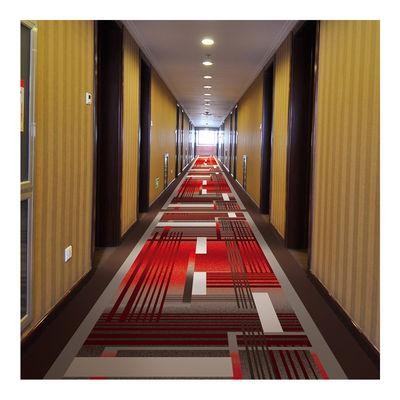
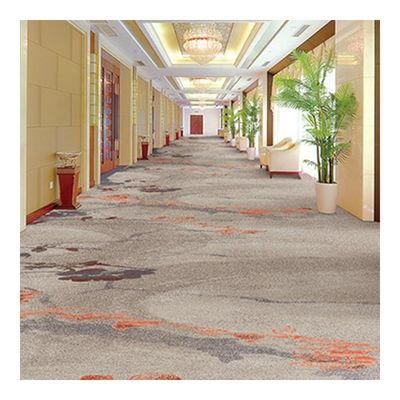
Broadloom
Broadloom carpet is traditional wall-to-wall carpeting manufactured in large rolls and installed seamlessly across a space.
Benefits of Broadloom for Hotels
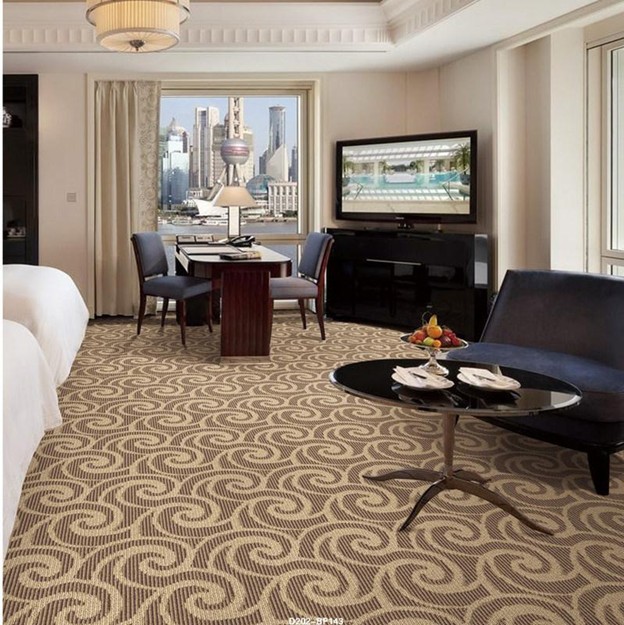
Broadloom creates a softer and more luxurious feel underfoot, which enhances overall guest comfort. Many upscale hospitality brands use broadloom because it delivers a quieter, more residential atmosphere.
Improved Acoustics
In hotels, noise reduction matters. Broadloom helps absorb:
- Hallway noise
- Rolling luggage sounds
- Foot traffic
- In-room sound transfer
This is especially valuable in multi-story hospitality environments.
High-End Design Flexibility
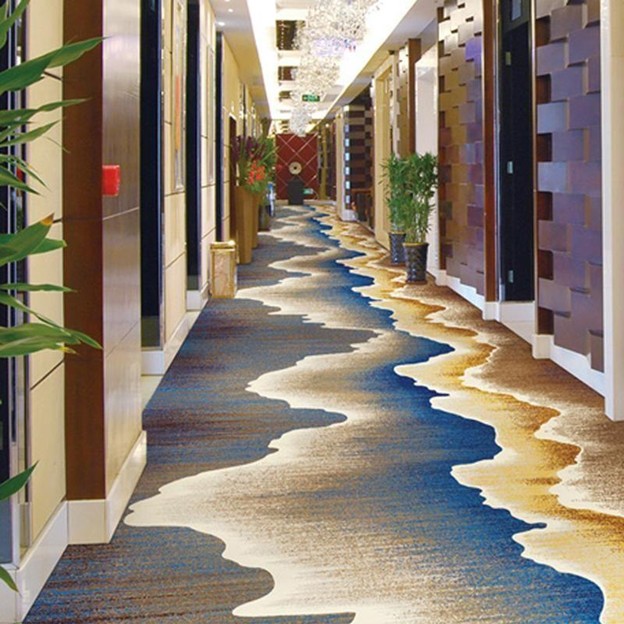
Custom broadloom allows hospitality designers to create:
- Large-scale patterns
- Branded storytelling elements
- Organic layouts
- Seamless visual transitions
For luxury hospitality projects, flooring often becomes a major design statement.
Seamless Appearance
Unlike modular flooring systems, broadloom offers a continuous visual field with minimal visible seams, creating a more refined aesthetic.
Carpet Tile
Carpet tile is built for flexibility. It delivers the performance hotels need while making maintenance and renovations easier.
Carpet tile has become increasingly popular in:
- Select-service hotels
- Extended-stay brands
- Meeting spaces
- Back-of-house areas
- High-traffic hospitality corridors
Carpet Tile in Hotels: Easier Maintenance and Replacement
One of the largest advantages of carpet tile is the ability to replace small sections individually. If a hotel experiences:
- Stains
- Water damage
- Wear patterns
- Housekeeping chemical damage
the operations team can replace only the affected tiles instead of an entire corridor or guest room.
This lowers long-term hotel maintenance costs significantly.
Faster Hotel Renovation Timelines
For hospitality teams managing active properties, installation speed matters. Carpet tile:
- Installs quickly
- Minimizes guest disruption
- Reduces labor costs
- Supports phased renovations
This is especially useful during occupied hotel renovations and PIP improvement schedules.
Lower Lifecycle Cost
Many ownership groups prefer carpet tile because it offers better long-term operational flexibility and lower replacement costs over time.
Which Is Right for Your Property?
Broadloom is often chosen for comfort, acoustics, and elevated design. Carpet tile is often selected for durability, flexibility, and operational efficiency.
Different hotel brands often lean toward different flooring systems based on guest expectations and operational models.
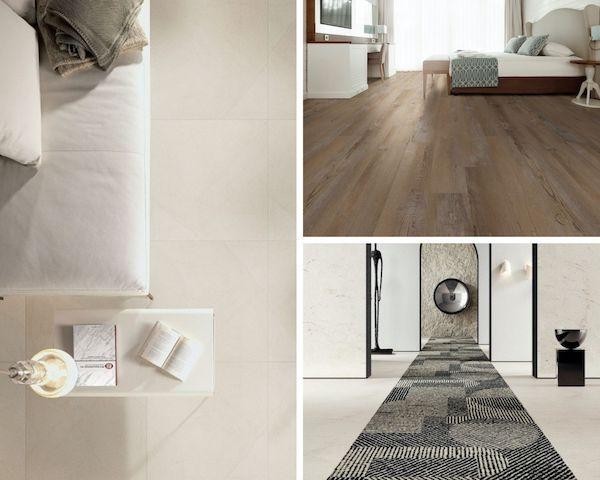
The right flooring supports the design, strengthens operations, and helps create a better stay. That’s why choosing the right solution is about more than appearance. It’s about performance that lasts.
Final Thoughts
In hospitality procurement, flooring decisions impact far more than appearance. Broadloom and carpet tile each offer unique advantages depending on the project scope, brand positioning, and operational priorities
Successful hotel FF&E procurement comes down to selecting materials that support both the guest journey and the realities of hotel operations behind the scenes. With over 60 years of experience and partnerships with thousands of hotels nationwide, Valiant provides end-to-end FF&E procurement, interior design support, and hands-on project management for renovations and new builds based on each hotel’s needs. Contact Valiant for expert advice on how to streamline your next project and deliver results you can trust.